Andrology · Reproductology · Aktobe

Male Infertility: Diagnostics and Treatment in Aktobe

The male factor is present in 40–50% of infertile couples. Urologist-andrologist Amanzholova Sh.K. in Aktobe performs comprehensive diagnostics and selects treatment to restore reproductive function.

Symptoms

When to See a Doctor

When to Seek Help

  • No pregnancy after regular unprotected intercourse for over 12 months
  • Known conditions (varicocele, prostatitis)
  • History of infections or scrotal surgery

Spermatogram Abnormalities

  • Low sperm count (oligozoospermia)
  • Reduced sperm motility
  • Abnormal sperm morphology (shape)

Hormonal Disturbances

  • Reduced testosterone
  • Pituitary dysfunction
  • Thyroid dysfunction
Diagnostics

How Diagnosis Is Made

  • Spermatogram (semen analysis)
  • Hormonal profile: FSH, LH, testosterone, prolactin
  • Scrotal and prostate ultrasound
  • STI swab and culture
Treatment

Treatment Methods

  • Drug stimulation of spermatogenesis
  • Antibiotic therapy for infectious factor
  • Hormonal correction
  • Treatment of underlying conditions (prostatitis, varicocele)
General Information

What Is Male Infertility

Male infertility is the inability of a man to father a child after regular unprotected intercourse for 12 or more months. According to WHO data, the male factor causes couple infertility in 40–50% of cases. In many cases, the problem can be resolved with conservative methods.

The key diagnostic tool is the spermatogram. It assesses sperm count, motility, and morphology. Based on the results, the doctor establishes the type of infertility and prescribes treatment.

Secretory Infertility

Impaired sperm production in the testes. Causes: varicocele, hormonal disorders, past infections. Responds well to medical treatment.

Obstructive Infertility

Blockage of the vas deferens due to inflammation, trauma, or surgery. Sperm are produced normally but cannot reach the ejaculate.

Immunological Infertility

The body produces antisperm antibodies that reduce sperm motility and fertilising capacity. Detected by a specialised test (MAR test).

Infectious Factor

Chronic prostatitis, urethritis, and STIs impair sperm quality. After adequate antibiotic therapy, spermatogram parameters normalise.

Causes

What Reduces Male Fertility

  • Varicocele — varicose veins of the spermatic cord
  • Past infectious diseases (mumps, STIs)
  • Chronic prostatitis and epididymitis
  • Testosterone deficiency and hormonal disorders
  • Cryptorchidism in childhood
  • Smoking, alcohol, anabolic steroids
  • Occupational hazards: heat, vibration, chemicals
  • Stress and poor nutrition
Important to Know

Why Both Partners Should Be Tested

  • In 40% of cases, the cause is solely on the male side
  • In 20% of cases, both partners have issues
  • Simultaneous testing saves 3–6 months
  • Male testing is simpler and faster than female
  • A spermatogram is sufficient as the first step for a man
  • Treatment results are evaluated after 3 months

📋 First step — get a spermatogram

A spermatogram is the primary test for male infertility. Its results allow immediate identification of the type of disorder and targeted treatment prescription, saving time on unnecessary tests.

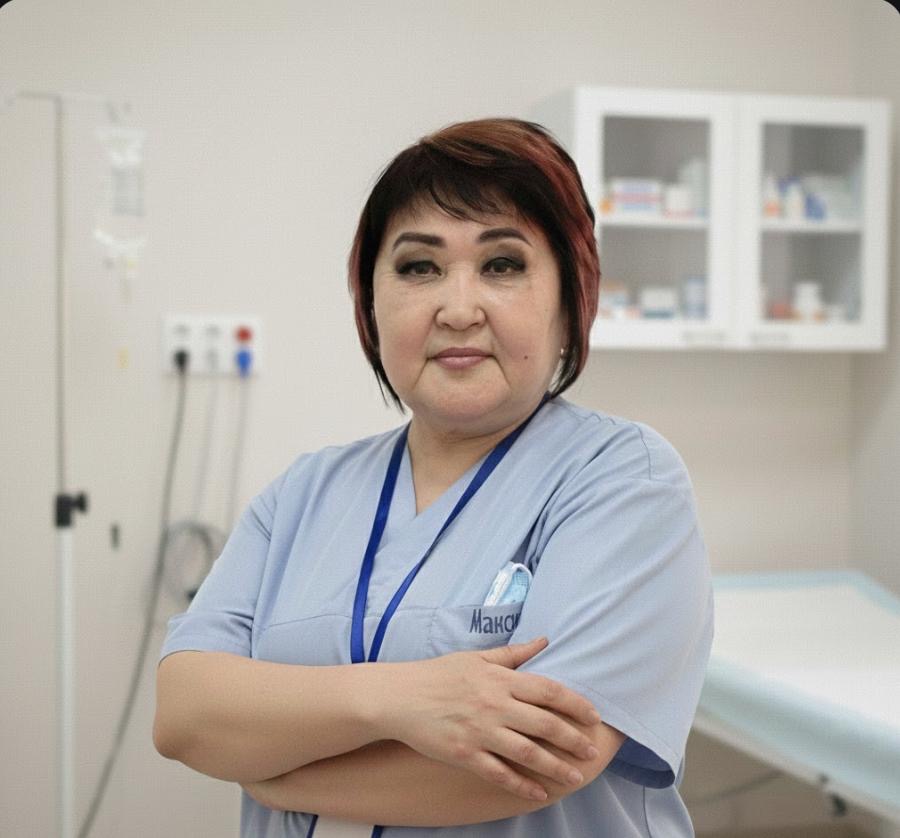
Amanzholova Sholpan Kenzhegalievna — Urologist-Andrologist Aktobe
Your Doctor

Amanzholova Sholpan Kenzhegalievna

Urologist-Andrologist-Gerontologist · Highest Medical Category · 43 years of experience

Over 5,000 patients. Sensitive approach, full confidentiality. Invivo Medical Center, Aktobe.

FAQ

Frequently Asked Questions

How quickly is reproductive function restored?+
The sperm maturation cycle takes about 72–74 days. Treatment results can be evaluated 3 months after starting therapy — a repeat spermatogram will show the dynamics.
Do both partners need to be tested?+
Yes, this is very important. The cause of infertility can be on the male or female side, or both simultaneously. Simultaneous testing saves time.
How likely is male infertility to be cured?+
When the cause is correctly identified, most forms of male infertility respond well to treatment. Infectious and hormonal infertility are particularly responsive.

Book an Appointment

First consultation with 40% discount · Invivo Medical Center, Aktobe
Abulkhair Khan Ave., 71 · Mon–Fri 9:00–18:00, Sat 9:00–14:00